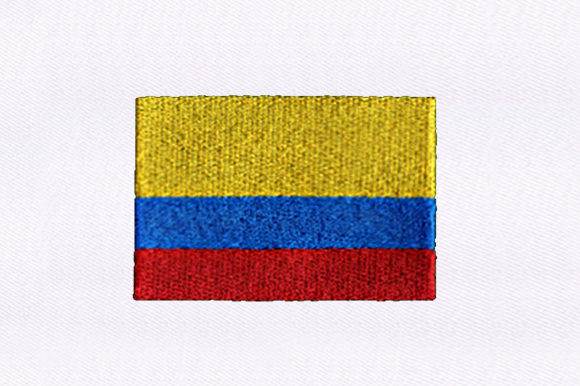
Flag of Colombia: Boutique Sweatshirt Design Review
As an embroidery designer preparing a limited-edition capsule collection for a boutique brand, evaluating the Flag of Colombia machine embroidery design requires more than just checking file compatibility. It demands a critical eye toward how national symbolism translates onto premium apparel. When sourcing assets for a small shop product or an Etsy seller portfolio, the goal is to move beyond generic souvenir aesthetics and create a garment that feels intentional, high-quality, and culturally respectful. This review assesses the viability of this specific digital embroidery file for commercial sweatshirt embroidery, focusing on technical execution, aesthetic versatility, and marketability for independent creators.
First Impressions and Aesthetic Versatility
The immediate strength of the Flag of Colombia design lies in its bold color blocking. For a boutique brand focusing on Independence Day merchandise or heritage apparel, this layout offers instant visual recognition. However, the transition from screen to fabric is where the true test begins. On neutral sweatshirts—think oatmeal, charcoal, or cream—the vibrant yellow, blue, and red thread colors provide necessary contrast without overwhelming the garment's silhouette. The design feels less like a costume piece and more like a tasteful nod to cultural pride when placed correctly.
For dark fabrics, such as navy or black hoodies, the design’s luminosity becomes its primary asset. The yellow field, which occupies half of the Colombian flag, acts as a natural highlighter against dark cotton blends. In my evaluation, this design leans towards a bold yet minimal aesthetic. It avoids excessive decorative flourishes that can date a garment, making it suitable for both masculine and feminine oversized hoodies. For pastel seasonal apparel, the saturation of the thread colors may need adjustment in your software to prevent the flag from looking too harsh against soft lavender or mint bases, but the core geometry remains strong enough to anchor the composition.
Technical Evaluation for Sweatshirt Embroidery
When integrating this embroidery file into a production workflow, technical considerations dictate the final quality. Sweatshirt embroidery presents unique challenges due to fabric texture and pile. The Flag of Colombia design, being primarily composed of solid fill areas, requires careful attention to stitch density. If the density is too high, the heavy fleece backing combined with dense thread coverage can result in a stiff, bulletproof patch that drapes poorly. Conversely, insufficient density leads to fabric show-through, which ruins the premium feel of a handmade product.
Stabilizer choice is non-negotiable here. For commercial embroidery on heavyweight French terry or fleece, I recommend a medium-weight cutaway stabilizer to support the expansive fill stitches typical of flag designs. A tear-away might suffice for lighter knits, but the tension required for crisp edges on the blue and red stripes often distorts unstable fabrics. Always verify the hoop size requirements within the digital embroidery file metadata before hooping; misalignment on a chest placement is immediately noticeable and costly.
Thread color contrast is another practical concern. Standard rayon or polyester threads in Colombian flag colors are widely available, but shade variations exist between brands. Before running a full production batch for custom apparel, stitch out a sample to ensure the blue is the correct cobalt tone and not leaning purple or teal. This level of detail signals to customers that you are a professional apparel decorator rather than a hobbyist guessing at colors.
Placement Strategy for Boutique Merchandise
Where you place the Flag of Colombia design fundamentally changes the garment's perceived value. For a modern boutique brand, the standard left-chest placement remains the safest bet for readability and wearability. It allows the design to function as a subtle identifier rather than a loud statement. However, for an oversized hoodie design, consider scaling the artwork down significantly for a minimalist pocket-sized accent, or enlarging it for a centered back piece that serves as a canvas for storytelling.
Sleeve accents offer an underutilized opportunity for this specific motif. A vertically oriented or scaled-down version of the flag near the cuff adds a premium, bespoke touch that distinguishes small shop products from mass-market alternatives. This placement works exceptionally well for lifestyle product photography, as sleeve details are often captured in candid, arm-crossed poses common in social media marketing. When creating printable mockup previews for Etsy listings, ensure the digital representation accurately reflects the sheen and texture of actual embroidery to manage buyer expectations and build trust.
Commercial Viability and Brand Identity
For creative entrepreneurs and digital sellers, the utility of this design extends beyond a single holiday. While it is categorized under Independence Day, the clean geometric nature of the Flag of Colombia allows it to function as year-round heritage wear. This longevity increases the return on investment for design assets. Buyers seeking authentic representation are willing to pay a premium for custom apparel that respects proportion and color accuracy, directly impacting product value and customer engagement.
The availability of extensive formats—including DST, PES, JEF, VP3, and XXX—ensures compatibility across almost all commercial and domestic machines. This versatility is crucial for shops that may outsource production or use multiple machine brands. However, always double-check the specific file integrity before purchasing or downloading. While the format list is comprehensive, verifying that the stitch count and dimensions align with your intended application prevents production delays. A well-digitized flag should have proper underlay to prevent puckering on stretchy sweatshirt fabrics; if the preview looks flat or lacks structural stitching commands, proceed with caution.
Elevating the Finished Product Presentation
The difference between a craft project and a boutique offering often lies in presentation. When photographing the finished product, lighting should be diffused to capture the texture of the embroidery without blowing out the bright yellow section. Flat lays work well for showcasing the overall garment shape, but close-up macro shots of the stitch definition reassure buyers of the quality. Highlight the clean edges where the blue meets the red; this junction is often where digitizing flaws appear, so showcasing perfection here builds immense buyer confidence.
In your product descriptions, avoid generic terms. Instead, discuss the specific fabric weight, the stabilizer used to ensure durability through washing, and the intention behind the placement. Explain that this is a specialized machine embroidery design optimized for apparel, not just a clip-art transfer. This narrative reinforces your identity as an experienced embroidery designer and validates the price point. For Etsy sellers, tagging strategies should bridge "Colombian Independence" and "premium streetwear" to capture both niche cultural shoppers and general fashion enthusiasts.
Final Verdict for Apparel Decorators
The Flag of Colombia machine embroidery design holds significant potential for small clothing brands and handmade business owners, provided it is executed with technical precision. Its success relies heavily on proper stabilization, accurate thread matching, and strategic placement that honors both the symbol and the garment. It is not merely a seasonal graphic but a foundational element for building a culturally resonant apparel line. By treating this digital embroidery file with the same rigor as any complex logo or illustration, decorators can produce sweatshirts and hoodies that feel substantial, respectful, and undeniably premium. Always remember to validate all technical specifications within the embroidery file before commencing production to ensure the final output meets the high standards your customers expect.